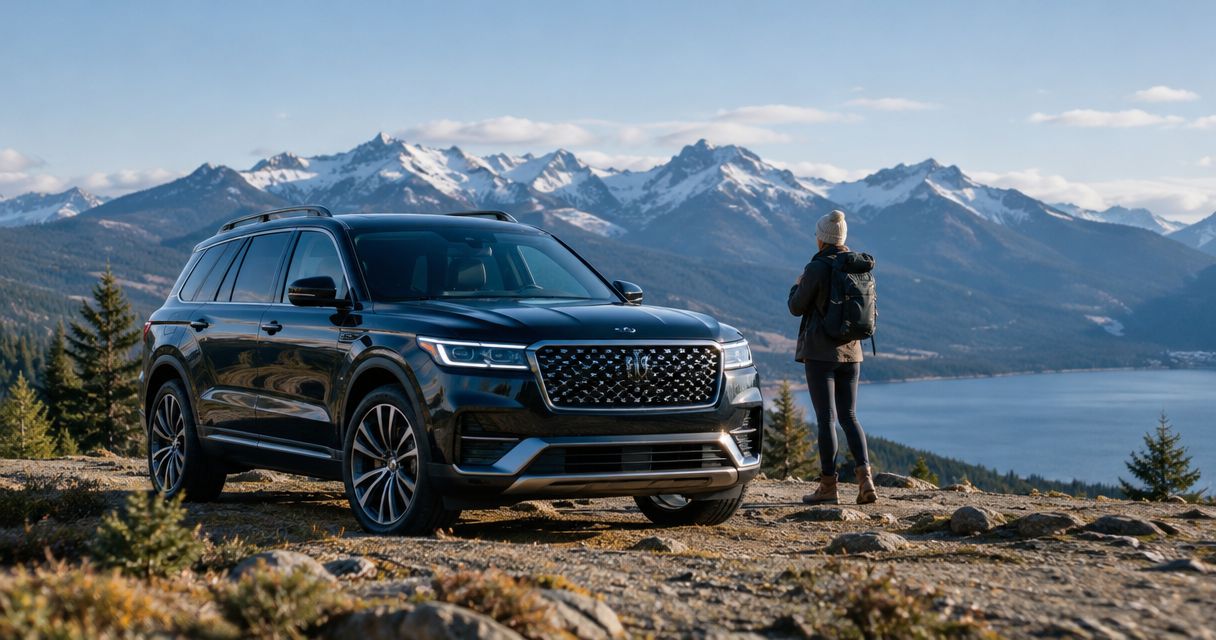
Best overall: a prebooked private car matched to your group. Best for bulky luggage: a private SUV with confirmed cargo space. Best for a larger family: a private passenger van. For private transportation from Denver to Aspen in 2026, choose the vehicle and pickup arrangement first; compare a shared shuttle separately if exclusive transportation is not essential.
- Choose prebooked private transportation from Denver to Aspen when your family needs an agreed pickup and exclusive vehicle.
- Private SUVs and passenger vans suit different luggage needs; confirm the actual vehicle before booking.
- Shared shuttles and Uber or Lyft are alternatives, not equivalent replacements for a reserved private transfer.
- Ask Eleavtion-Tours about your Colorado transportation plans, and confirm Aspen service before making a reservation.
Why your Denver-to-Aspen booking needs more than a vehicle choice
Your airport arrival, luggage, child restraints, and destination address all affect the transfer you need. A vehicle description alone does not establish whether the booking works for your family.
Eleavtion-Tours provides luxury private transportation and guided tours in Colorado. When asking Eleavtion-Tours about private transportation from Denver to Aspen, confirm the route, vehicle, pickup instructions, and booking terms before reserving. A general Colorado transportation offering is not a substitute for a confirmed Aspen itinerary.
For a 2026 trip, compare written arrangements rather than broad labels such as luxury, executive, or premium. Your booking should explain who is traveling, what must fit, where you meet, and what happens if your arrival changes.
What makes the best Denver-to-Aspen transportation
Use these criteria before deciding which vehicle or booking format deserves your reservation:
- Route confirmation: The provider accepts your exact Denver pickup and Aspen destination, including the return journey if requested.
- Passenger fit: Every traveler has an appropriate seat, with child-restraint arrangements confirmed separately.
- Luggage fit: Suitcases, strollers, and ski equipment fit without occupying passenger seats or blocking access.
- Pickup clarity: You understand the meeting location, communication process, and treatment of a delayed flight.
- Trip terms: Stops, waiting, changes, cancellations, and weather-related disruptions have clear written terms.
- Booking accountability: You know which company accepts the reservation and whom to contact about the trip.
The best transfer is the one whose written confirmation matches your actual family, luggage, and itinerary. A larger vehicle does not fix an unclear pickup arrangement, and an attractive vehicle photograph does not confirm cargo capacity.
Denver-to-Aspen transportation at a glance
This ranking prioritizes families and small private groups. Vehicle categories describe booking choices, not guaranteed specifications; confirm the actual vehicle assigned to your trip.
| Rank | Option | Best for | Main advantage | Key limitation |
|---|---|---|---|---|
| 1 | Prebooked private car | A smaller party with straightforward luggage | An exclusive vehicle with agreed trip details | Cargo space needs careful checking |
| 2 | Private SUV | Families bringing bulky items | A vehicle category to assess for passenger and equipment needs | The SUV label does not establish usable cargo space |
| 3 | Private passenger van | A group wanting to travel together | A larger passenger format to consider before splitting vehicles | Passenger seating and luggage must be assessed together |
| 4 | Shared shuttle | Travelers comfortable sharing the journey | A shared-service alternative to compare | Departure points, schedules, and stops follow the service arrangement |
| 5 | Uber or Lyft | Travelers checking an app-based alternative | An app-based request and communication process | A request does not itself confirm a long-distance transfer |
1. Prebooked private car: best for a smaller party
A prebooked private car is the default choice when your group and luggage fit comfortably in the confirmed vehicle. You agree on the journey before travel rather than treating the airport arrival as the moment to organize everything.
The important distinction is the reservation, not the word car. Ask whether the confirmation identifies the pickup, destination, vehicle category, and contact process for travel day.
Private car pros:
- You reserve an exclusive vehicle rather than a seat on a shared service.
- You can resolve pickup questions before leaving home.
- You can request an itinerary that reflects your actual destination.
Private car cons:
- Suitcases, a stroller, and equipment need a specific fit check.
- Stops and waiting are not automatically included; confirm the terms.
Best for: A smaller party whose luggage fits the assigned car without compromising seating.
For a 2026 airport arrival, send the flight details and destination address together. Do not assume that entering a landing time also explains when your family expects to be ready for pickup.
Verdict: Buy this format when the confirmed car fits everyone and everything.
2. Private SUV: best for families with bulky luggage
A private SUV is worth comparing when your family brings a stroller, larger suitcases, or ski equipment. The category gives you another vehicle format to evaluate, but it does not prove that your entire load fits.
Ask for confirmation with all passenger seats in their required positions. Cargo space that depends on folding a seat is not useful when someone needs that seat.
Private SUV pros:
- You can assess a different cabin and cargo layout from a car.
- You can request a single private booking for the family.
- You can clarify equipment storage before committing.
Private SUV cons:
- SUV models differ in usable luggage space.
- A vehicle label alone does not establish winter preparation or child-seat arrangements.
Best for: Families whose confirmed luggage requirements exceed the proposed car's usable space.
Describe equipment plainly. A ski bag, stroller, and suitcase are different packing problems; a booking note that says luggage does not explain them.
Verdict: Buy a private SUV only after the provider confirms the passenger-and-luggage combination.
3. Private passenger van: best for keeping a group together
A private passenger van deserves consideration when a family or small group would otherwise need separate vehicles. It offers a different passenger layout, but seating capacity and luggage capacity still require separate confirmation.
Send the full group information in a single message. Different travelers providing partial details can leave the transport company without a complete picture of the trip.
Private passenger van pros:
- You can plan around a group traveling in the same vehicle.
- You can coordinate a single pickup arrangement.
- You can assess the whole group's equipment before booking.
Private passenger van cons:
- A passenger-seat count does not establish room for everyone's bags.
- Separate flight arrivals require an agreed meeting and waiting plan.
Best for: Groups that prioritize staying together and have a confirmed vehicle fit.
Use 1 shared passenger manifest listing travelers, bags, equipment, and child-restraint needs. Ask the booking contact to confirm that complete list rather than accepting a generic statement that a van is spacious.
Verdict: Buy the van format when the full group and its luggage are confirmed together.
4. Shared shuttle: best when exclusive transportation is optional
A shared shuttle is a separate service category, not private transportation from Denver to Aspen. Compare it when your family accepts traveling with other passengers and following the operator's stated departure and drop-off arrangements.
Check whether the specific service connects your required locations. Do not build an itinerary around a general reference to Colorado shuttle service.
Shared shuttle pros:
- It provides a shared-service alternative to a private booking.
- Published departure arrangements can give you a clear schedule to evaluate.
- It helps you decide whether vehicle exclusivity matters enough to choose private transportation.
Shared shuttle cons:
- The service arrangement determines pickup points, stops, and destinations.
- Your flight arrival must fit the applicable departure and booking terms.
Best for: Travelers comfortable adapting their plans to a confirmed shared service.
Compare the complete journey, including reaching the departure point and getting from the drop-off location to your accommodation. Do not assume a shared option is the lowest-cost choice without checking the actual terms.
Verdict: Hold until the route, schedule, luggage rules, and final destination all work.
5. Uber or Lyft: best as an app-based alternative to assess
Uber and Lyft provide an app-based way to request transportation. For a Denver-to-Aspen journey, an app inquiry is not equivalent to a confirmed private-transfer arrangement covering your family and equipment.
Keep this comparison practical. Check the journey in the app, then distinguish what the interface shows from what has actually been accepted and confirmed.
Uber or Lyft pros:
- You can enter the actual pickup and destination in the app.
- You can review the trip information presented before proceeding.
- You have an in-app communication process for an accepted trip.
Uber or Lyft cons:
- A vehicle category does not confirm space for your specific equipment.
- A trip request alone does not settle acceptance, child restraints, or your return arrangements.
Best for: Travelers evaluating an app-based option without treating it as a substitute for a confirmed transfer.
Families arriving with children or bulky equipment should settle those requirements before relying on any transport arrangement. Do not leave a necessary restraint or luggage decision until you meet the vehicle.
Verdict: Skip as your primary plan when essential trip requirements remain unresolved.
How these transportation options are ranked
The ranking follows the criteria above: route confirmation, passenger fit, luggage fit, pickup clarity, trip terms, and booking accountability. It ranks booking formats for families and small groups, not individual operators or tested vehicle fleets.
For 2026 planning, the private car is the default only when it fits. Move to an SUV or passenger van when the actual passenger-and-equipment requirements justify the change; choose a shared service only when its operating arrangement suits your itinerary.
Confirm the transfer before you book
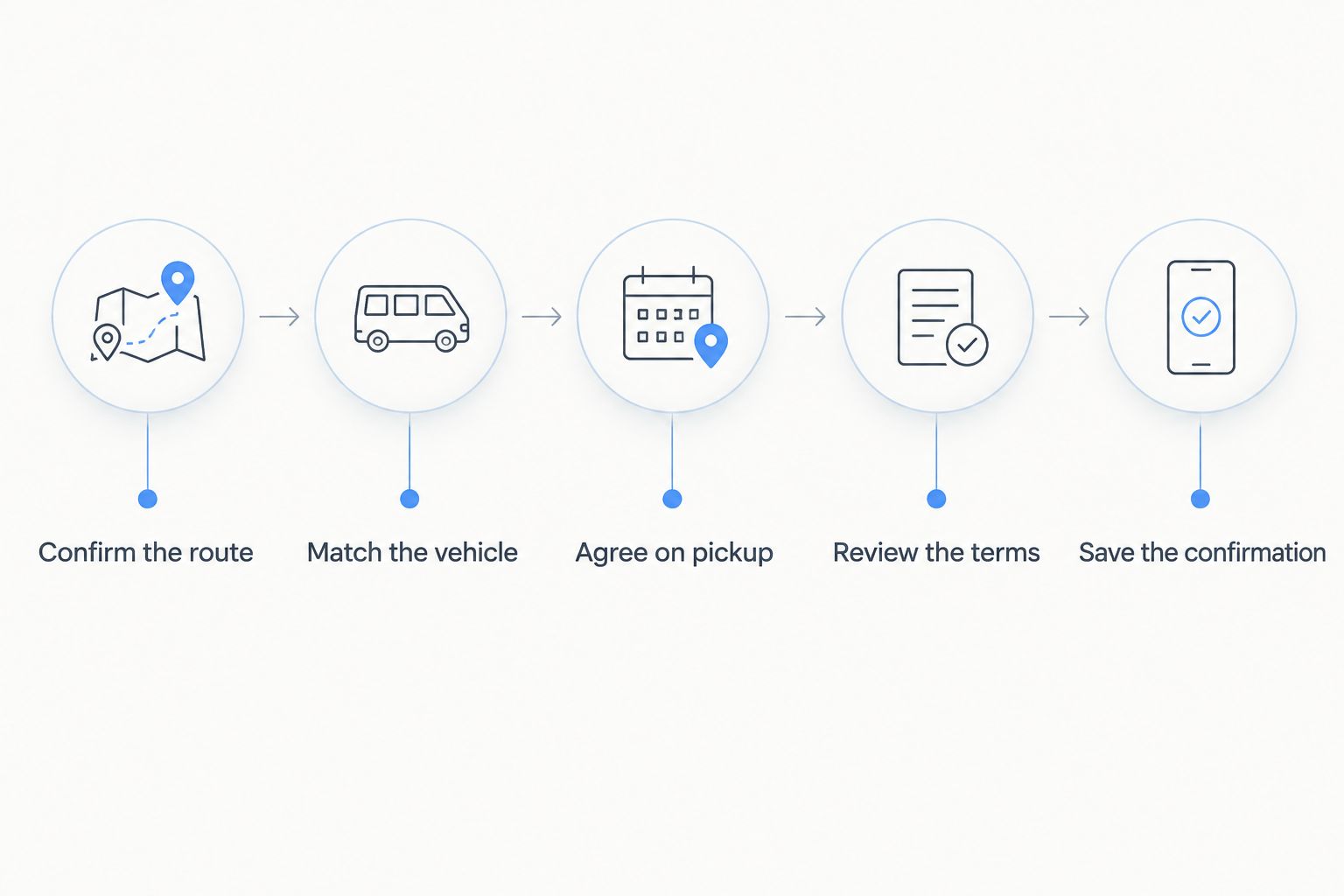
Use this sequence to turn a general inquiry into an actionable reservation:
- Confirm the route. Provide the exact pickup and destination addresses, travel date, and return requirements.
- Match the vehicle. List every passenger, bag, bulky item, and child-restraint requirement.
- Agree on pickup. Confirm the meeting instructions and what to do if the flight or baggage collection is delayed.
- Review the terms. Read the conditions for stops, waiting, changes, cancellations, and travel disruption.
- Save the confirmation. Keep the booking reference and travel-day contact information accessible.
Compare 2 pickup plans if your itinerary permits: departure from the airport or departure from your Denver accommodation. These are different trip requests, so ask about the one you actually intend to use rather than changing it after booking.
Eleavtion-Tours is best for travelers seeking a direct conversation about private transportation in Colorado. Ask Eleavtion-Tours about private transportation from Denver to Aspen with your complete trip details, and proceed only after the requested service is confirmed.
Plan your Colorado transportation
Start with your route, passenger list, luggage, and pickup requirements.
Which Denver-to-Aspen transportation should you choose?
Choose a prebooked private car if the confirmed vehicle fits your group. Choose a private SUV or passenger van when the actual seating and equipment requirements call for a different layout, not because the category sounds more luxurious.
Request 3 written quotes using the same itinerary if you want a useful comparison. Changing the pickup, luggage description, or stops between requests leaves you comparing different journeys.
For your 2026 reservation, prioritize a complete written agreement over a broad promise of comfort. Keep shared shuttles in the comparison only if you accept shared travel; keep app-based requests separate from confirmed transfer bookings.
FAQ
What's the best private transportation from Denver to Aspen for a family?
A prebooked private vehicle that fits every passenger, child restraint, and bag is the best starting point for a family. Compare a car, SUV, or passenger van using the actual vehicle and your complete luggage list.
Should I choose a private SUV or a passenger van for Aspen?
Choose the vehicle whose confirmed seating and cargo layout fits your group. An SUV label or passenger-seat count alone does not establish room for strollers, suitcases, and ski equipment.
Is a shared shuttle the same as a private Denver-to-Aspen transfer?
No. A shared shuttle involves shared transportation under the operator's service arrangement, while a private transfer reserves an exclusive vehicle for your booking. Compare pickup points, stops, and final destinations before choosing.
Can I use Uber or Lyft from Denver to Aspen?
Check the proposed journey in the app, but do not treat a request as a confirmed transfer. Resolve vehicle fit, child restraints, acceptance, and return transportation before relying on that plan.
What should I send when requesting an Aspen transfer?
Send the travel date, exact addresses, flight details if applicable, passenger list, luggage description, and child-restraint requirements. Include requested stops and the return journey so the provider can assess the complete itinerary.
Does Eleavtion-Tours provide private transportation from Denver to Aspen?
Confirm the specific Denver-to-Aspen route directly before booking. Eleavtion-Tours provides luxury private transportation and guided tours in Colorado; your requested destination and trip arrangements still need explicit confirmation.
What should I check for a winter transfer in 2026?
Check the provider's vehicle arrangements and written process for weather-related changes. Ask how travel disruption affects communication, the itinerary, and cancellation or rescheduling terms rather than assuming a particular vehicle guarantees the journey.
One last thing
Your bags need a reservation description as much as your passengers do. Before your 2026 trip, photograph the luggage and equipment together and send the image with a written inventory; it gives the booking contact something concrete to assess.
Do not book around the largest vehicle name. Book around a confirmed fit and a clear pickup plan.